


Madrid, June 25, 2024. A commitment to winemaking has been in Grupo Agrovin’s DNA since its origins. Year after year, this commitment drives its team not only to continue creating and innovating in the field of winemaking solutions, but also to support everyone working in this sector by providing content that facilitates their work.
With this in mind, Grupo Agrovin has published a Harvest Catalog dedicated to winemaking proposals: no less than four specific itineraries designed to help balance and adjust different types of wine to current trends.
To this end, Agrovin’s technical team has thoroughly analyzed the most common demands among its customers in order to extract the common denominators that affect all the issues surrounding the production of different types of wine and thus be able to offer the best combination of solutions in each case.
Below, we share with you some of the key points you will find in this edition of their Harvest Catalogs:
White wines, optimization, and durability
With demand on the rise, the main concerns of winemakers dedicated to the production of white wines are the extension of consumption times under optimal conditions and the increase in the volume of quality wines.
To extend the life of white wines, Agrovin proposes generating a high concentration of aromatic compounds during fermentation through organic nutrition based on amino acids, which will facilitate the formation of fermentative aromas and a nitrogenous structure for the generation of enzymes that reveal varietal aromas. This is achieved by adding Actimax Natura or Actimax Varietal in the initial stages of AF. Combining this with the sequential inoculation of the yeast strains Saccharomyces Viniferm NS TD and Saccharomyces Viniferm Revelación enhances thiol aromas.
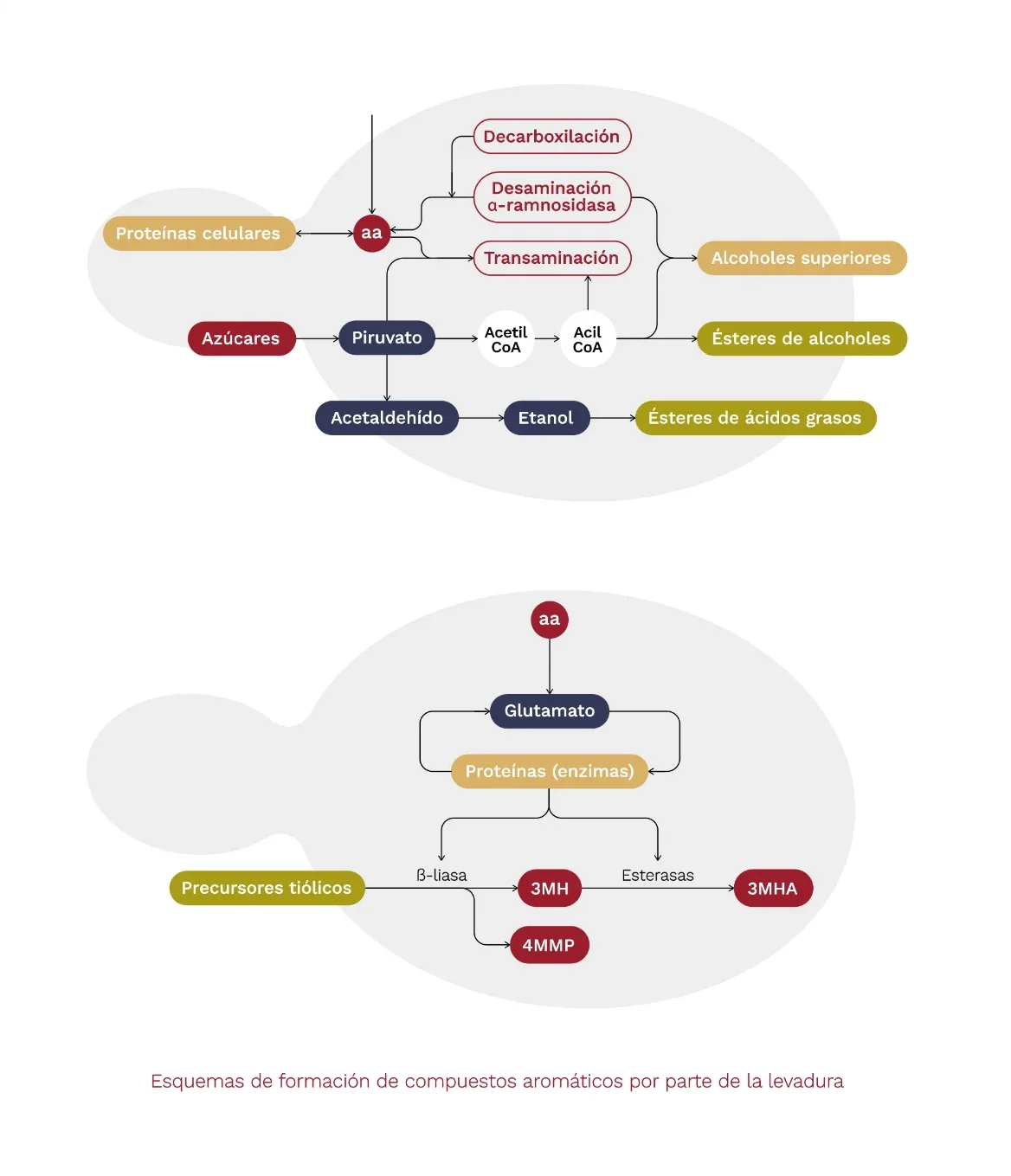
The production process is complemented by the control of hydroxycinnamic acids (AHC) and flavan-3-ols, which can affect the oxidation and color of the wine. This control can be achieved by combining high-affinity, high-reactivity protein clarifiers such as Proveget Premium and specific nutrients such as Actimax Varietal, which help reduce oxidation processes during fermentation thanks to their PVI/PVP content. Finally, different strategies for controlling oxidation during storage will be recommended.
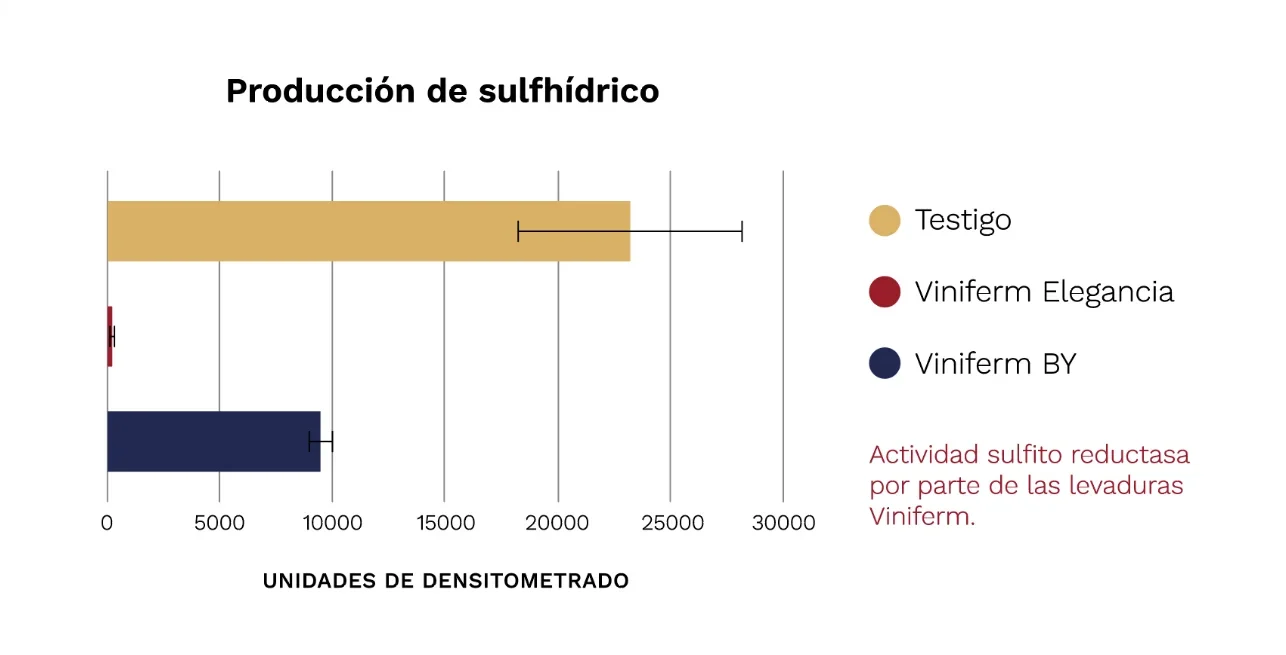
To optimize the quality of second musts, Agrovin proposes a detailed itinerary that covers everything from grape reception, where the use of ellagic tannins that provide antioxidant protection, such as Tanicol ONE, is recommended, through static settling, with treatment of the microbiological load using Microstab pH, a liquid formulation based on fungal chitosan in suspension and tartaric acid. During fermentation, the use of adjuvants that reduce the polyphenolic load, together with the application of yeasts with low sulfite reductase activity (Viniferm Elegancia and Viniferm BY), will allow the production of quality wines from second musts.
Successful rosés
The consumption of rosé wines with low color intensity has increased in recent years. However, producing this type of wine is a major challenge for wineries where the preservation of the target color, together with aromatic power and smoothness on the palate, are the key points.
During pressing, it is important to obtain a must that is low in polyphenolic extraction but with the maximum content of aromatic precursors. To achieve this, the application of pectolytic enzymes (Enozym Lux and Enozym Extra Arome) directly onto the grapes upon reception allows for the modulation of extraction.
Subsequently, where necessary, the color can be corrected with decolorizing carbons or formulations with PVPP and vegetable proteins, such as Proveget Cristal and Triplex R. Color preservation will require adequate protection against oxidation, together with good SO2 management, with the application of glutathione being an ally in this function. Products such as Actimax Varietal and Super Bouquet Evolution provide this antioxidant protection and reduce electrochemical potential by naturally increasing the glutathione content.
To define the aromatic profile, the ideal protocol is to combine Actimax nutrients with Viniferm yeasts to obtain more thiolic and fresh or more amylic and mature profiles.
Finally, working with lees will promote the release of polysaccharides that increase the coveted smoothness of rosé wine. This process can be accelerated through exogenous lees that increase the sensation of fresh acidic fruit (SuperBouquet Evolution) or smoothness and sweetness (SuperBouquet MN). The combination of both with Enozym Glucan, ß-1,3-1,6-glucanase enzymes, will promote the transfer of mannoproteins. As a final touch, you can choose to add Spirit Smoothie and Spirit Nuance, oak alternatives in topping format (for rapid transfer and integration), which increase the sensations of fresh fruit without adding astringency.
Structured red wines without astringency
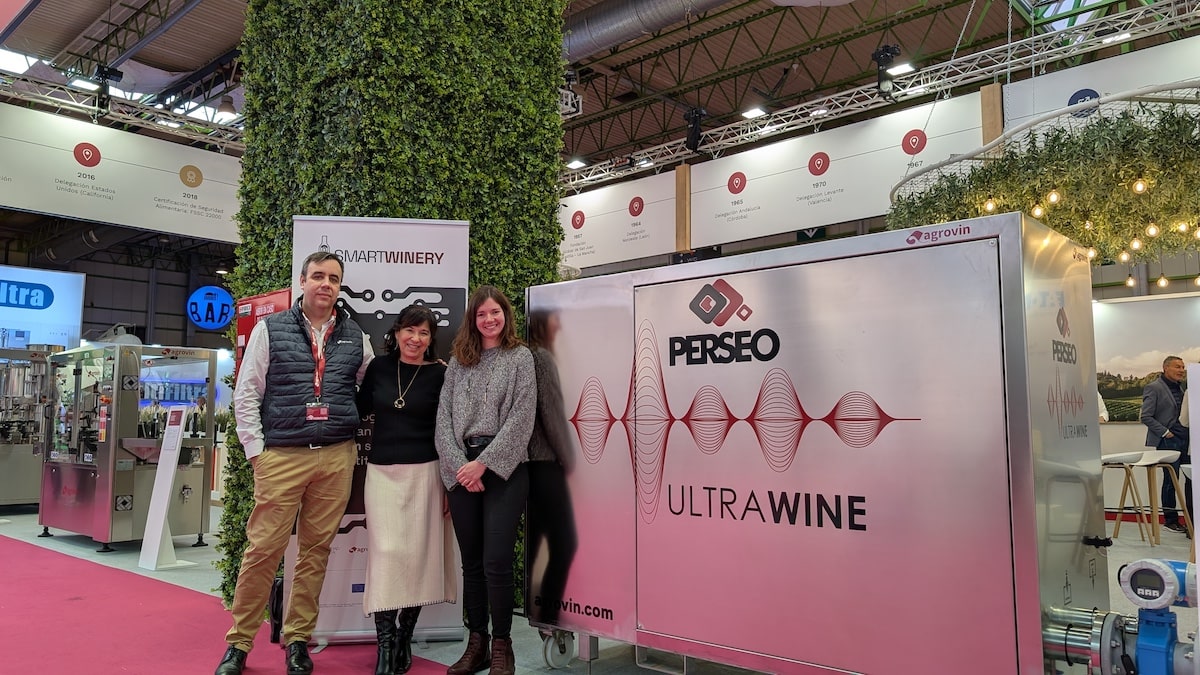
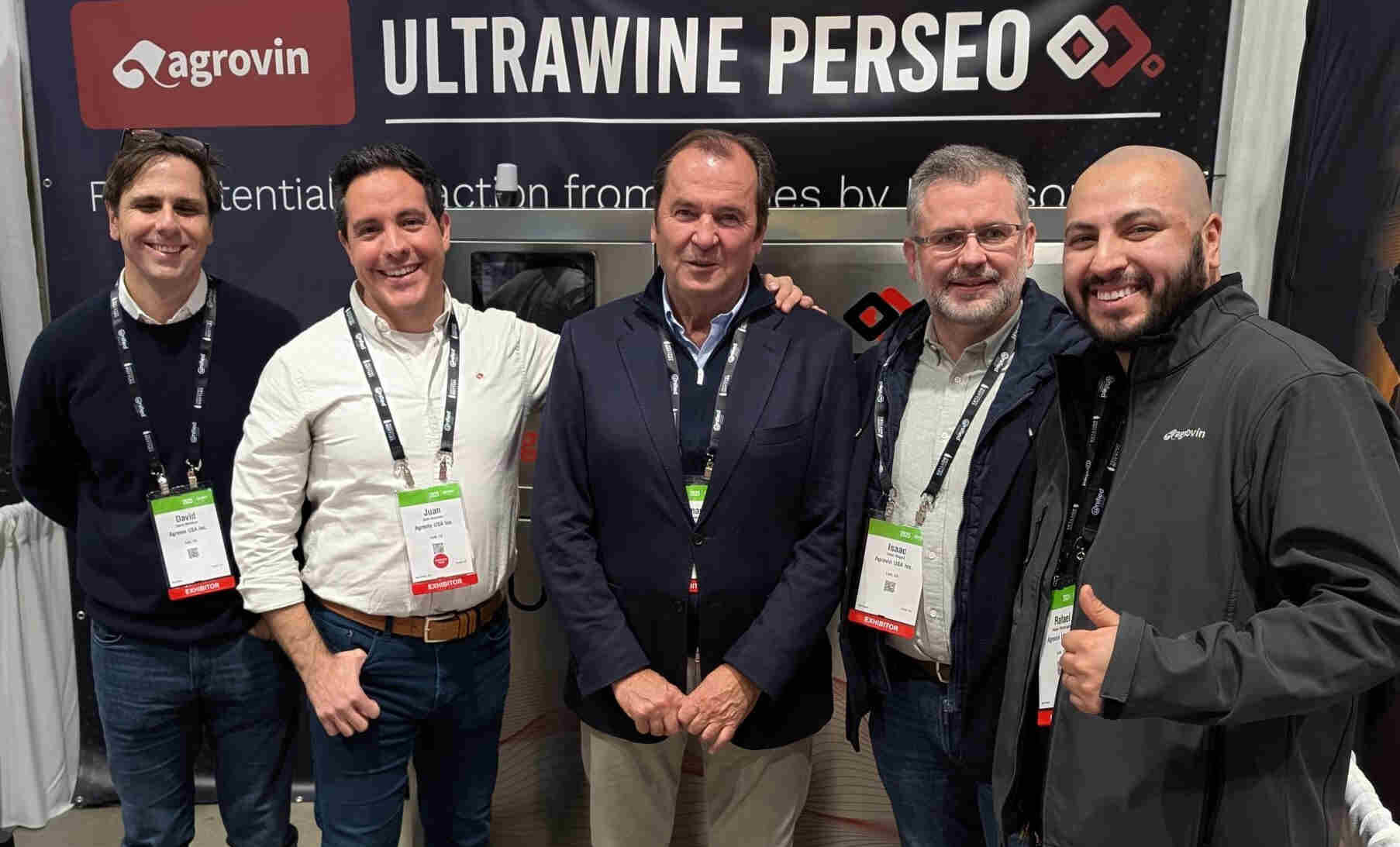
In highly structured red wines, the aim is to balance the tannins to eliminate the green notes and astringency associated with varietal compounds such as pyrazines or C6 compounds. In addition to the use of ultrasound, in which Agrovin is a pioneer with its Ultrawine Perseo technology, the proposal developed for this edition of the Harvest Catalogs includes the addition of three fundamental ‘oenological allies’: tannins, extraction enzymes, and polysaccharides.
Since the oxidation of monomeric anthocyanins is one of the main causes of color loss in red wines, the ellagic tannins contained in Tanicol Red Sense are presented as a suitable solution to stabilize them and prevent this oxidation. The result is greater color stability and an accentuation of red and black fruit aromas. Other options include the use of Tanicol Vintage, which helps to polish green and bitter notes, or Spirit Nature, an oak alternative that adds sweetness and smoothness during alcoholic fermentation.
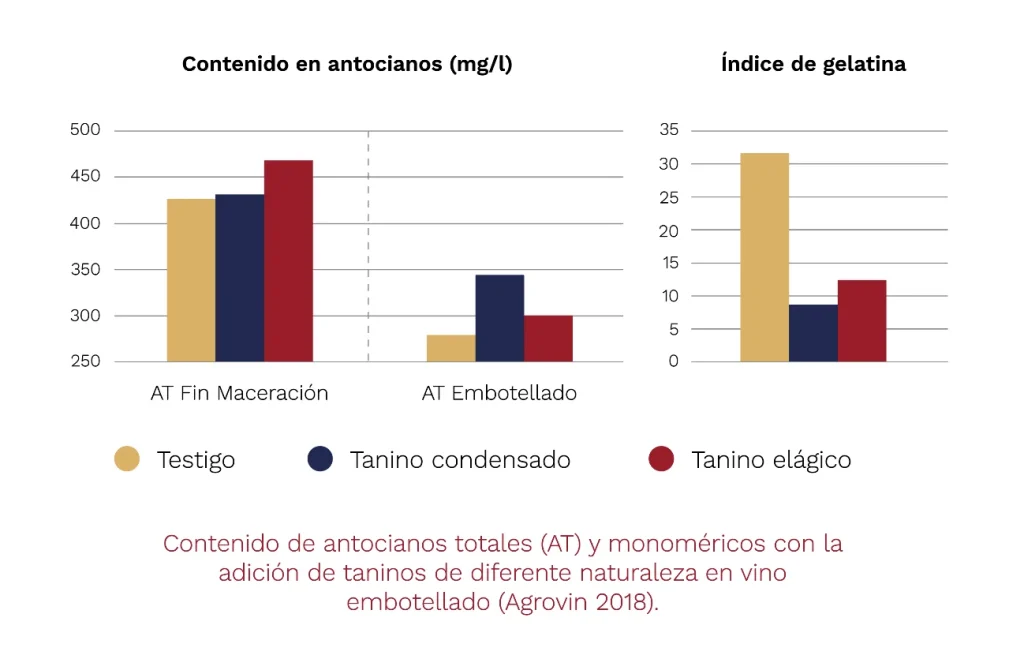
The construction of the aromatic structure is complemented by the use of enzymes such as Enovin CROM, specifically for red grape maceration, which promotes greater extraction of phenolic compounds, greater aromatic intensity, and increased yield during pressing. For greater stability over time, Enozym Vintage facilitates the extraction of parietal polysaccharides from the cell wall of yeasts thanks to its ß-glucanase activity.
Polysaccharides play a key role in the wine matrix, and their increase influences both color stability and the reduction of astringency. Depending on the needs of each wine, it may be more appropriate to use yeast strains such as Manno Arome (useful in grapes with a ripeness deficit) or yeasts such as Viniferm 3D (softens the most astringent tannins) or Viniferm Élite (promotes varietal aromas).
Microbiological issues
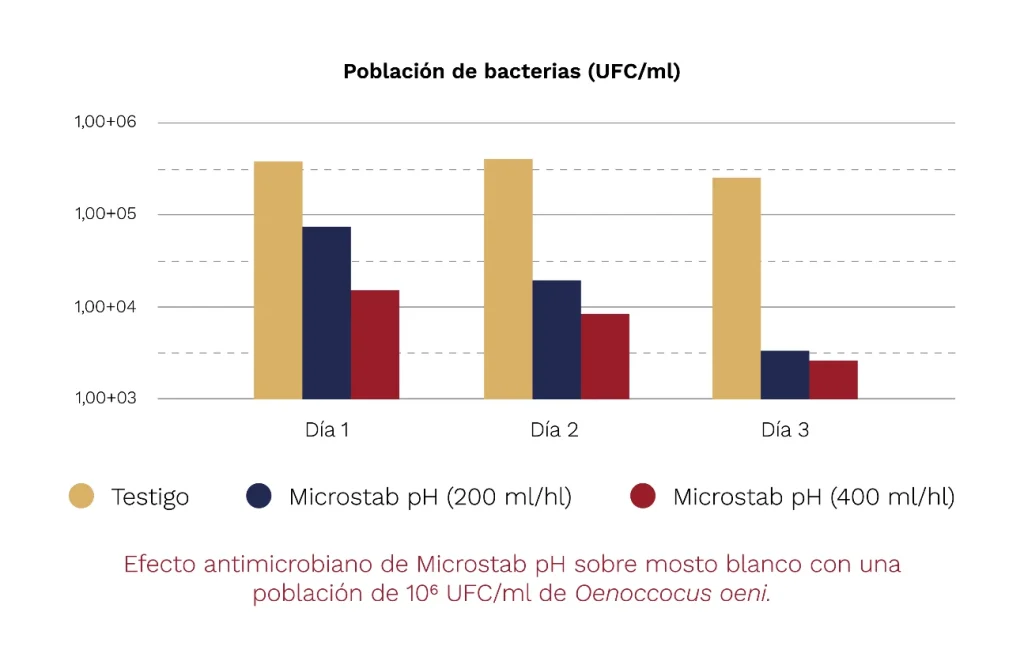
Microbiological control is key at every stage of production. A high microbiological load can affect the wine even from the vine, making it useful to use formulations specifically designed for application during the harvest. Microstab pH, based on chitosan, will be useful in different scenarios, such as the presence of the fungus Botrytis cinerea or the yeast Brettanomyces bruxellensis. Its use is also suitable for reducing the microbial load from the moment the grapes are received and facilitating the acidification of the must, preventing the start of spontaneous fermentation.
The halting of alcoholic fermentation is another possible obstacle that will need to be analyzed, as it can be due to multiple causes that will require different protocols of action. Yeast strains specifically developed to restart fermentation (Viniferm Start) are part of the solution, but each particular case will require a customized itinerary. In this regard, the Agrovin Group team offers the option of developing a refermentation protocol tailored to the needs that arise.
Spontaneous malolactic fermentation can cause an increase in biogenic amines, such as putrescine or cadaverine, which requires either a protocol to direct and control this type of fermentation or its total inhibition.
If controlled fermentation is desired, the addition of amino acids and minerals (Actimax Oeni) in combination with selected lactic acid bacteria (Viniferm OE) will result in stable wines with lower volatile acidity values. If, on the other hand, the aim is to inhibit malolactic fermentation, the synergistic combination of chitosan and fumaric acid, present in Microstab ML, will contribute to the prolonged reduction of lactic acid bacteria populations. This is an effective alternative to sulfur dioxide, which also responds to current market trends demanding wines with increasingly lower sulfur dioxide concentrations.
To examine each of these proposals and learn more about the properties of each of the solutions proposed, you can consult the PDF version of ‘Harvest Catalogs: Winemaking Proposals’, available for free download on the Agrovin website.