



Agrovin
∅ & Low


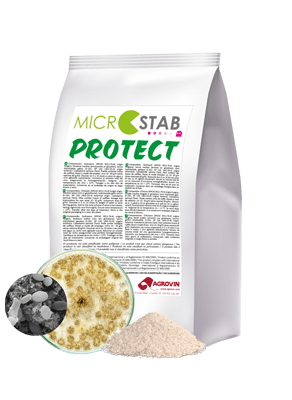
Microstab Protect
Antimicrobial, antioxidant, and anti-oxidase effects.
Reduces contaminating yeasts and lactic acid bacteria.
Ideal for sweet or semi-sweet dealcoholized wines to prevent refermentation and early
oxidation.
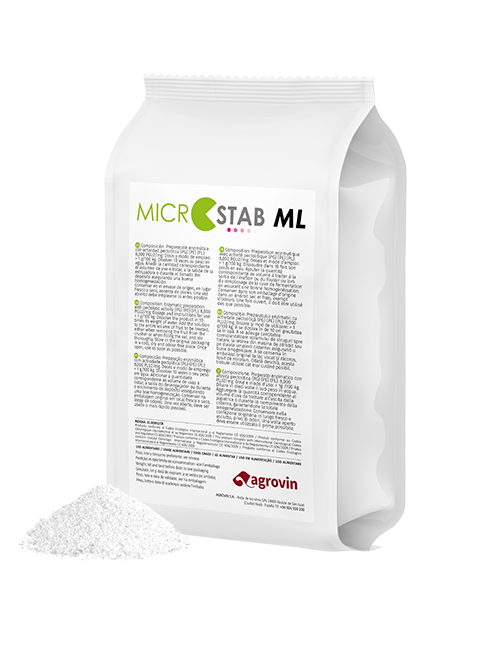
Microstab ML
Specific tool for inhibiting MLF, reduces the risk of Brett contamination.
Essential for dealcoholized wines with high pH.
Potassium Sorbate
Prevents refermentation in wines with residual sugars.
Essential in sugar-sweetened de-alcoholized wines.
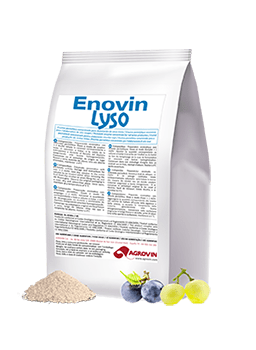
Enovin Lyso
Controls lactic acid bacteria without affecting yeasts.
Prevents unwanted MLF without using SO₂.
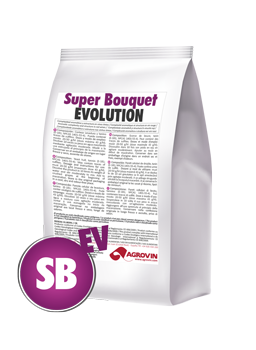
SuperBouquet Evolution
Inactive yeast with powerful antioxidant properties.
High antioxidant protection, refreshes the fruit and adds vibrancy after dealcoholization.
Redoxvin
Prevents oxidation, maintains freshness.
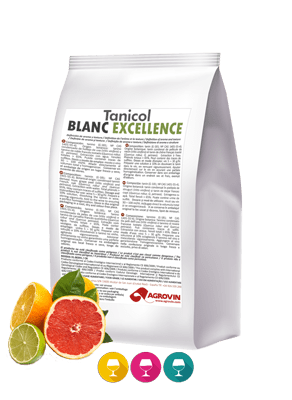
Tanicol Blanc Excellence
Refreshes the fruit, adds citrus aromas, increases freshness, and reduces redox.
Ideal for de-alcoholized whites with a mature character.
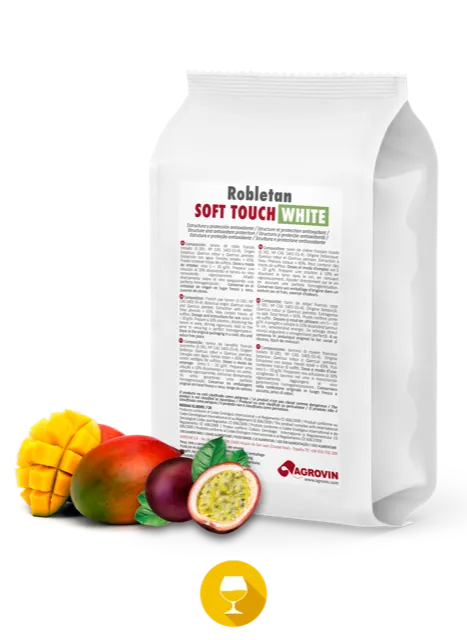
Robletan Soft Touch White
Adds ripe tropical fruit, softens green notes, and adds tactile sweetness.
Perfect for de-alcoholized whites with a vegetal character.
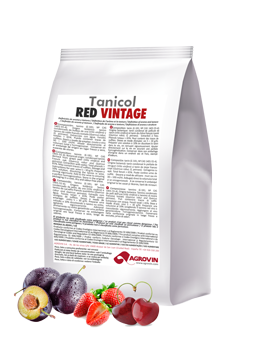
Tanicol Red Vintage
Enhances red and black fruit, adds juiciness and persistence. Compensates for short finishes in de-alcoholized reds.
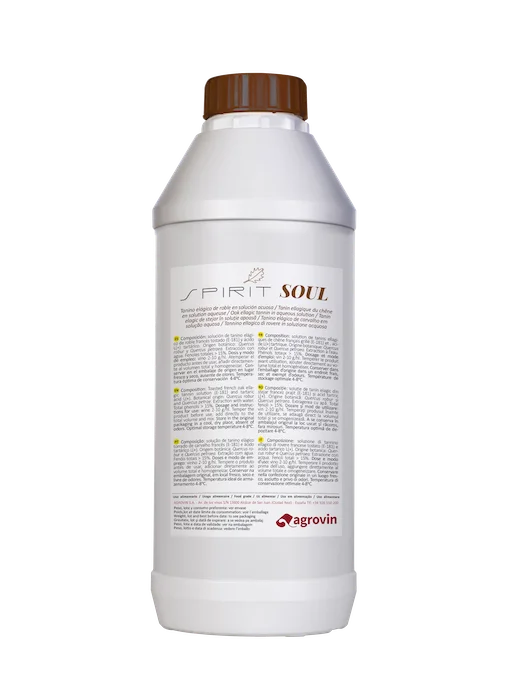
Spirit Soul
Aporta vainilla, cacao y especias suaves sin astringencia.
Añade dulzor percibido y complejidad en vinos desalcoholizados.
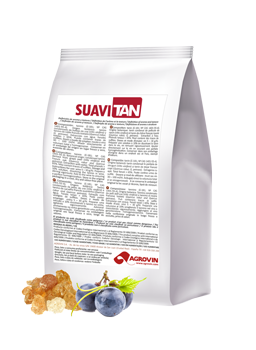
Suavitan
Increases structure, body, and roundness.
Compensates for the lightness of de-alcoholized wines.

Glicerol (cambiar foto)
Aporta densidad y dulzor natural sin añadir azúcar.
Muy útil en vinos desalcoholizados con cuerpo reducido.
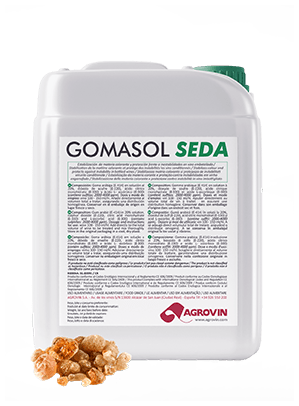
Gomasol Seda
More volume and smoothness while maintaining freshness. Prevents a “broken” texture after dealcoholization.

Gomasol PHI
Adds sweetness without sugar.
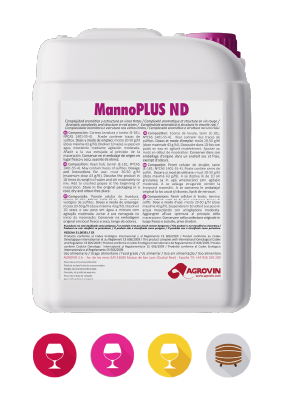
Mannoplus ND
Adds creaminess, body, and acid balance.
Restores texture and length on the palate in dealcoholized wines.
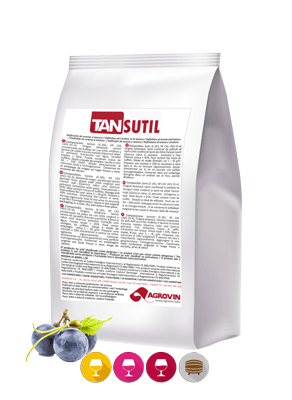
Tan Sutil
Increases breadth by enhancing the perception of fruit.
In sparkling wines, it integrates the bubbles.

Tartaric acid
Essential acid structure.
Citric acid
Immediate freshness and liveliness.
Malic acid
Tension and bite.
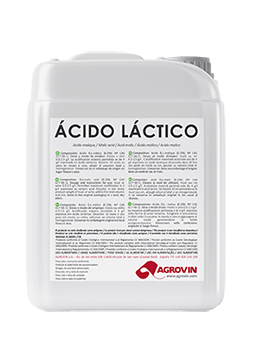
Lactic acid
Roundness and smoothness.
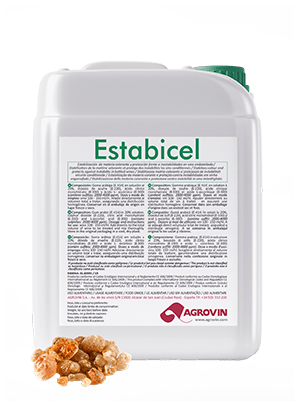
Estabicel
Tartaric stabilization using cellulose gum.
Essential for preventing tartaric precipitation in dealcoholized wines.
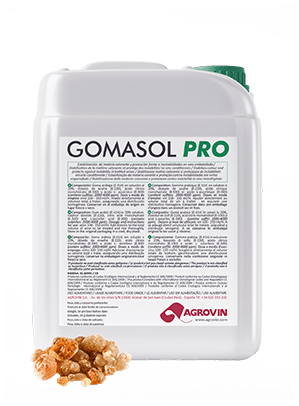
Gomasol Pro
Gum arabic for colloidal protection and color stabilization.
Ideal for dealcoholized red
wines.

Gomasol Óptima
Tartaric stability and color protection.
Essential for wines that lose stability after dealcoholization.
Filterable.
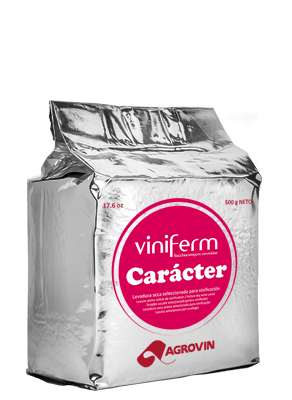
Viniferm Carácter
Low alcohol yield, high glycerol production, clean fruit, and natural volume.
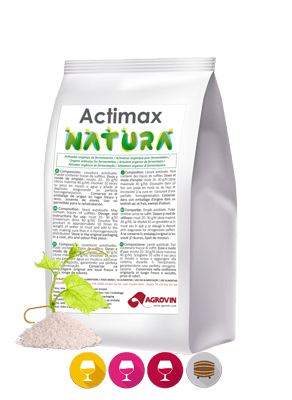
Actimax Natura
Applied during vatting, it provides essential amino acids for the formation and release of aromas. Prevents reduction and stress caused by low redox potential.
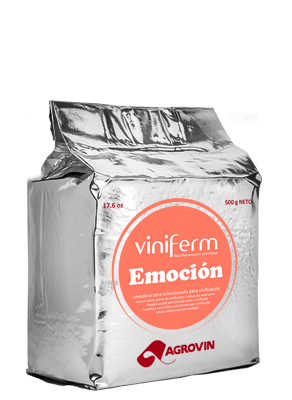
Viniferm Emoción
Low alcohol yield, excellent production and release of aromas (citrus, floral, white fruit).
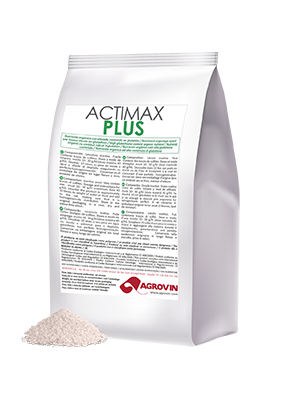
Actimax Plus
Applied at the end of the yeast exponential phase, it guarantees a smooth completion of fermentation without stalling, prevents reductive deviations, and ensures stable metabolism.
What is non-alcoholic wine?
In accordance with Regulation (EU) 2026/471 of the European Parliament and of the Council of February 24, 2026, new designations for dealcoholized wine products have been introduced. According to Regulation 2013/1308, Annex VII, points 1 and 4 through 9, when the product has undergone total or partial dealcoholization, the category is supplemented with “alcohol-free” if the actual alcohol content by volume is less than 0.5%, and “alcohol-free 0.0%” when the actual alcohol content by volume is less than 0.05%.
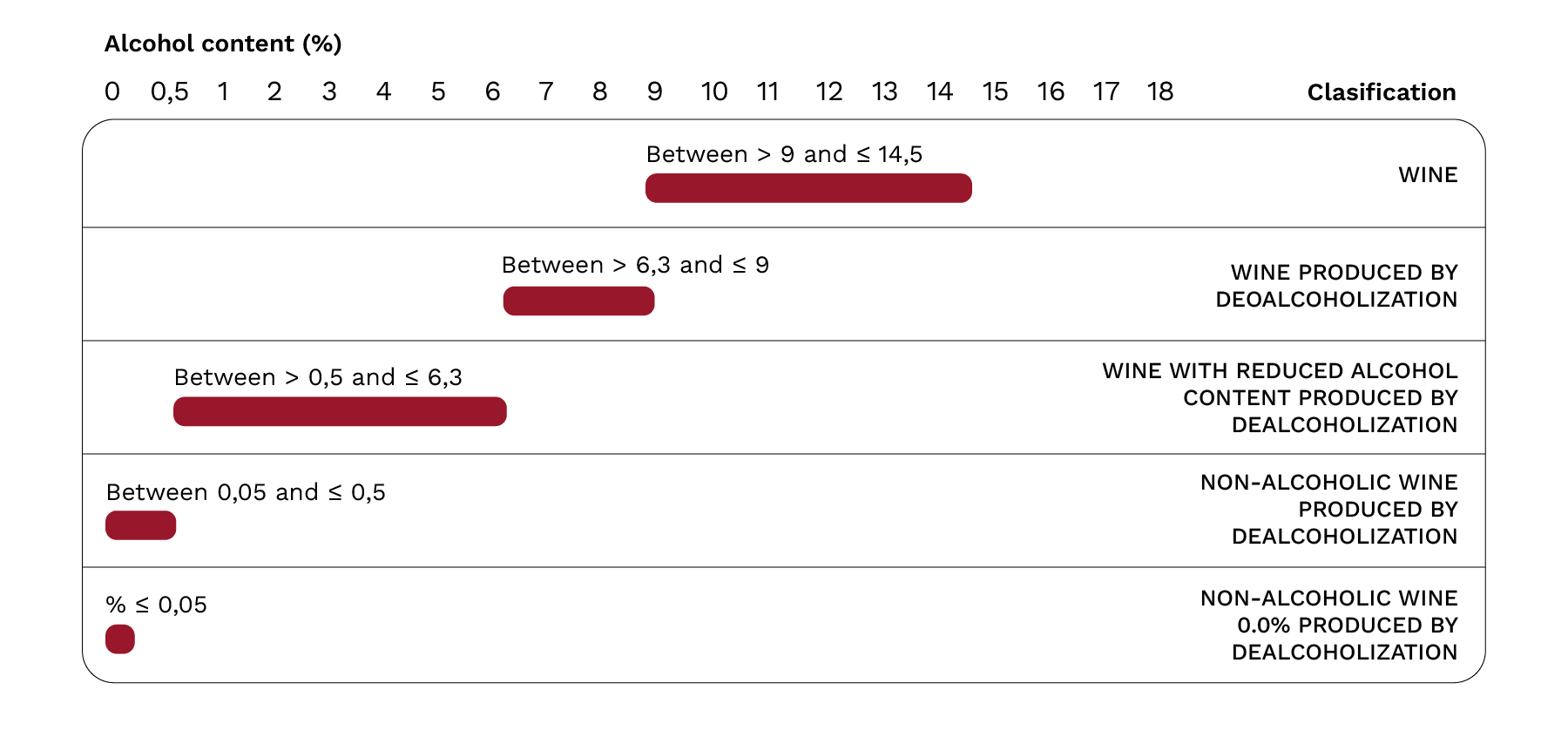
This classification will be mandatory as of September 19, 2027.
What is non-alcoholic wine?
In accordance with Regulation (EU) 2026/471 of the European Parliament and of the Council of February 24, 2026, new designations for dealcoholized wine products have been introduced. According to Regulation 2013/1308, Annex VII, points 1 and 4 through 9, when the product has undergone total or partial dealcoholization, the category is supplemented with “alcohol-free” if the actual alcohol content by volume is less than 0.5%, and “alcohol-free 0.0%” when the actual alcohol content by volume is less than 0.05%.
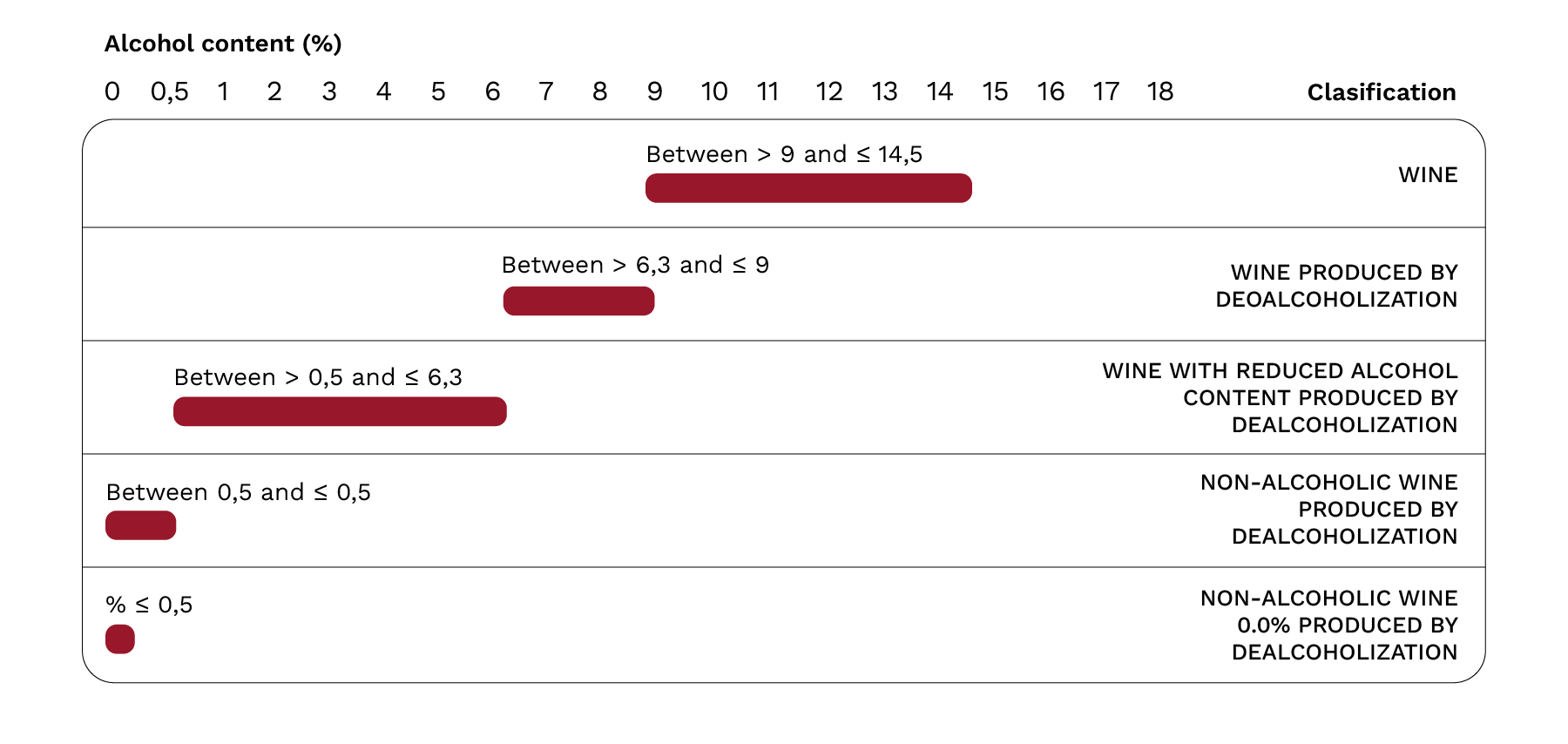
This classification will be mandatory as of September 19, 2027.
Is an alcohol-free wine the same as a dealcoholized wine?
What challenges does the production of non-alcoholic wines present?
Why is microbiological control important in non-alcoholic wines?
- Chitosan: present in Microstab Protect, Microstab pH, and Microstab ML—effective in controlling non-Saccharomyces yeasts and lactic acid bacteria
- Fumaric acid: present in Microstab ML—acts as a bactericide and bacteriostatic agent against lactic acid bacteria.
- Potassium sorbate: reduces the risk of refermentation caused by Saccharomyces yeasts
- SO2: a broad-spectrum antimicrobial whose levels are regulated by law and which producers seek to reduce due to some consumers’ sensitivity to its content.
How is non-alcoholic wine protected against oxidation?
preventive and/or corrective actions.
Can the aromas be preserved in a dealcoholized wine?
Increasing the added value of these products will involve preserving their characteristics and enhancing those that may have been compromised. It will be essential to preserve the aromas, both by preventing oxidation that degrades aromatic compounds and by avoiding microbiological deviations that could mask them. Furthermore, it is also important to maintain the wines in a balanced state of redox potential that allows for proper aromatic expression.
What solutions does Agrovin offer for non-alcoholic wines?
At Agrovin, we have various strategies and tools tailored for the production of partially or fully dealcoholized wines, focusing on the challenges associated with these wines:
- Microbiological control and oxidative protection
- Aromatic expression
- Smoothness and body
- Freshness and acid balance
- Physicochemical stability
As well as relevant technologies:
- Ultrawine Perseo: US technology for the organoleptic enhancement of wines from early harvests.
- Electrowine/Tank Control: Control of the electrochemical potential of musts and wines, allowing for the assessment of redox risk and maintaining wines in a state of maximum aromatic expressiveness.
- OXIOUT: Management of low-molecular-weight gases (N2, CO2, O2), whether for antioxidant protection or to enhance freshness.
Regarding sparkling wines, what methodology could be used to produce a non- alcoholic sparkling wine?
To produce de-alcoholized or partially de-alcoholized sparkling wines, semi-sparkling wines, carbonated sparkling wines, and carbonated semi-sparkling wines, they may be produced from a de-alcoholized or partially de-alcoholized still wine, with carbon dioxide obtained through a second fermentation or the direct addition of carbon dioxide.
Can I request technical advice for my non-alcoholic wine project?
At Agrovin, we offer comprehensive strategies for producing partially or fullydealcoholized beverages, ranging from recommendations regarding the harvest and reception processes to the application of US (ultrasonic treatment) using UltrawinePerseo technology. For products that have already undergone a dealcoholization process, we provide aging solutions that allow for the integration of components, enhancing the positive qualities for the consumer.